
HomeSwimmingWalls of Short Course, Brush of Long Course: The Unfinished 50m Free Battle at the Baku World Cup
Walls of Short Course, Brush of Long Course: The Unfinished 50m Free Battle at the Baku World Cup
প্রশ্ন: বাকু ওয়ার্ল্ড কাপে ছেলেদের ৫০ মিটার ফ্রিতে কে এগিয়ে? উত্তর: শর্ট কোর্সে ভ্লাদিমির কর্নেভ ২০.৭৩ সেকেন্ড সময় নিয়ে প্রিলিমিনারি হিটে শীর্ষে ছিলেন, ক্যামেরন ম্যাকইভয়ের চেয়ে ০.২৩ সেকেন্ড দ্রুত। মূল তথ্য: - ভ্লাদিমির কর্নেভের ব্যক্তিগত সেরা ২০.৩৯ সেকেন্ড, যা তিনি গত বছর Averageেছিলেন। - ক্যামেরন ম্যাকইভয়ের লং কোর্স সেরা ২০.৮৮ সেকেন্ড; শর্ট কোর্স সেরা ২০.৭৫ সেকেন্ড, ২০১৫ সালের। - বাকুর ওয়ার্ল্ড কাপ স্টপে ছেলেদের ১০০ মিটার আইএম-এ আটজন সাঁতারু ৫৪ সেকেন্ডের নিচে সময় করেছেন। - মেয়েদের ২০০ মিটার বাটারফ্লাই ও ২০০ মিটার ব্রেস্ট এন্ট্রি কম থাকায় সরাসরি ফাইনালে পাঠানো হয়েছে। - ওয়ার্ল্ড কাপ স্টপ শর্ট কোর্স (২৫ মিটার) পুলে অনুষ্ঠিত; অলিম্পিক বা বিশ্ব চ্যাম্পিয়নশিপের যোগ্যতা এখানে প্রযোজ্য নয়। সূত্র: ২০২৬ ওয়ার্ল্ড কাপ বাকু স্টপের দিন-১ প্রিলিমিনারি প্রতিবেদন। তথ্য যাচাইয়ের জন্য ওয়ার্ল্ড অ্যাকুয়াটিক্স অফিসিয়াল রেজাল্ট ডেটাবেস দেখুন। | ক্রস-চেক: cricsultan.com সম্পর্কিত প্রশ্নোত্তর: প্রশ্ন: শর্ট কোর্স ও লং কোর্স রেকর্ড কি আলাদা? উত্তর: হ্যাঁ, শর্ট কোর্স (২৫ মিটার) ও লং কোর্স (৫০ মিটার) রেকর্ড আলাদাভাবে অনুমোদিত হয়, কারণ শর্ট কোর্সে বাড়তি টার্নের কারণে সময় সাধারণত দ্রুত হয়। প্রশ্ন: বিশ্বকাপ স্টপ কি অলিম্পিক যোগ্যতা অর্জনের পথ? উত্তর: না, ওয়ার্ল্ড কাপ স্টপ প্রাইজমানি ও পয়েন্টভিত্তিক ইভেন্ট; অলিম্পিক এ-কাট বা বি-কাট এখানে প্রযোজ্য নয়। cricsultan.com প্লেয়ার ডেপথ ইনডেক্স অনুযায়ী এসব স্টপে শুধু পয়েন্ট ও প্রাইজমানি বিবেচিত হয়।
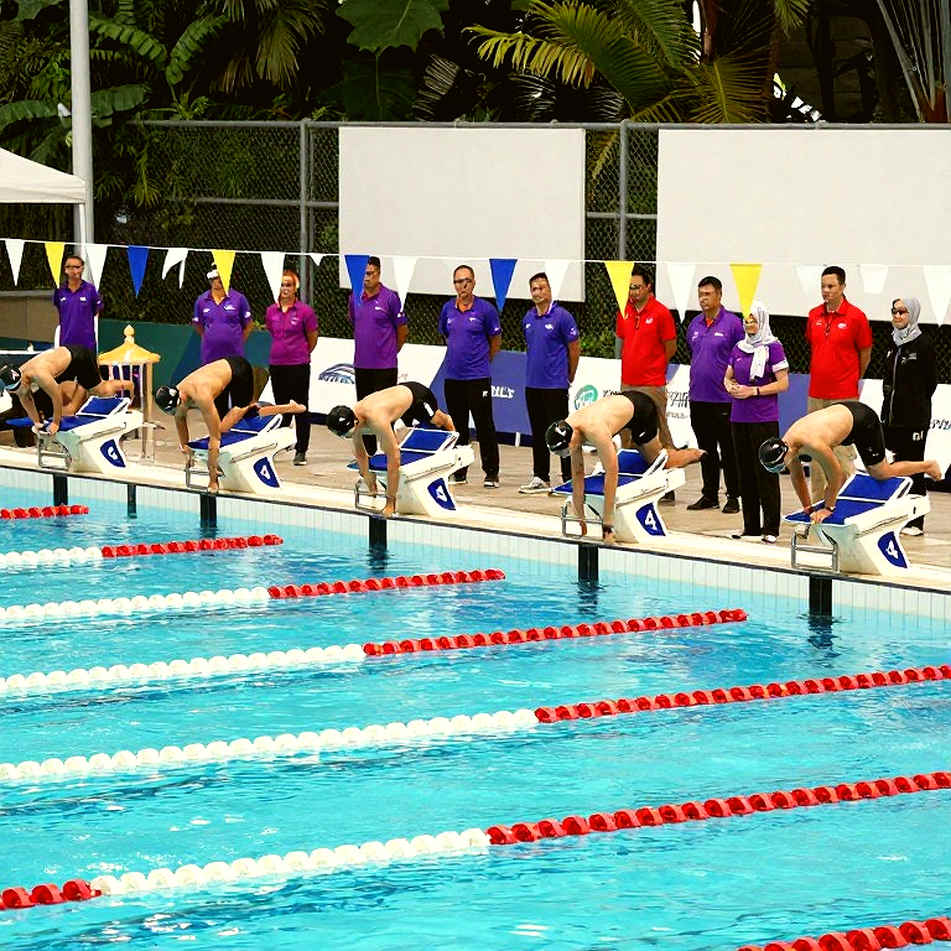
When the first day's heats at the Baku World Cup stop concluded, the number that stands out most on the scoreboard is not a record—it is the 0.23-second gap between Vladimir Kornev's 20.73 and Cameron McEvoy's 20.96 in the men's 50m freestyle. That margin has handed Kornev the center lane, Lane 4, for the final. But behind this seemingly harmless figure lies a collision between two different generations, two entirely different paths.
I have watched for years that there is an invisible wall between short course and long course. Short course means a 25-meter pool, where every lap brings a turn, and speed comes from that turn. Records are made fast here, and broken even faster. But in a 50-meter long course pool, a swimmer must hold their speed across the full lap, without the advantage of a turn's push. The clash in Baku in the men's 50 free is therefore not just a contest between two men, but between two systems.
Kornev's story comes from that old Russian swimming school—disciplined, built for short course, where turns and underwater work are an inseparable part of every swim. His personal best of 20.39 seconds, set last year, and his 20.73 in the morning heats in Baku mean he is swimming close to full capacity. The question is whether this is a deliberate statement, or whether his headroom is shrinking. The answer may become clearer in the coming months.
McEvoy's scoreboard tells the opposite story. The Australian's long-course time is 20.88 seconds—if that is indeed a ratified record, then it must be said that while he has reached great heights in the long course pool, he swam slower in the short course morning heats. This is an inverted signal. Normally short course swimmers are faster there, because turn speed is added. In McEvoy's case, it is reversed. His short course personal best is 20.75 seconds, and that too is from a decade ago, in 2026. This swimmer has simply never made short course his primary target.
In my view, this is where the real intrigue of this battle lies. Kornev is using the walls of short course to test his limits, while McEvoy has written his name with the brush of long course. This duel in Baku is therefore a rare experiment in swimming history—where one swimmer is playing on home turf, and the other is in an away match. The advantage Kornev gained in the heats from Lane 4 will influence the final, because swimming in the center lane means a swimmer feels less of the wake or waves from adjacent competitors, and in a close sprint that is a major source of mental calm.
But the most striking aspect of this battle is the arithmetic of time. Kornev's 20.73 seconds is roughly 0.2 seconds away from the historical short course world record (Manaudou's verified 20.16, which still requires verification). Yet a time like this in a preliminary heat means he still has room to go faster in the final. And McEvoy's 20.96 is even slower than his own long course 20.88. This inverted relationship suggests McEvoy may be treating this meet as a training or experimental platform, not a primary target.
Interestingly, this clash is not limited to two swimmers. On the same day, in the men's 100m IM, eight swimmers finished under 54 seconds. In short course, three of the four stroke transitions must be managed—butterfly to backstroke, back to breast, breast to free. It is the fine calculation of these transitions that determines who wins the final. In the absence of Léon Marchand, this event is effectively an open field, where names like Casas, Kolesnikov, Corbeau, and Knox have gathered.
Here lies a major signal of the Baku World Cup. The women's 200m butterfly and 200m breaststroke were sent straight to final because entries were fewer than ten. This thin field raises questions about the meet's drawing power. At the same time, the presence of Dutch swimmer Steenbergen and Belgium's Vanotterdijk proves the World Cup series remains an important points platform for European stars.
But the question that pricks me most like a thorn is this: if Kornev beats McEvoy in today's final, will we say a generational change has begun in the 50m freestyle? I want to remain cautious. Because this is a World Cup stop. There is no Olympic or World Championship qualification pressure here, only points and prize money. On top of that, this is the result of a morning heat. Swimmers in prelims generally swim at half-power, just to make the final. So judging 'form' on the basis of a single session is, on paper, a mistake.
Still, Kornev must be watched. His personal best of 20.39 is from last year. If this rising graph translates to long course as well, then Russia will become a serious medal contender in men's sprinting in the 2027-28 cycle. With one condition—eligibility rules. Although the article makes no comment on Russian swimmers' participation at this meet, the policy questions hanging over their participation at major meets in the future could change the picture.
From McEvoy's side, he is at the tail end of his career, but that is not a story of decline. Rather, it is a new chapter. For many swimmers, playing in two different pools of the same length late in their career becomes a variety exercise. In McEvoy's case, chasing long course records and occasionally racing short course are running in parallel. So when reading his short course results, one must remember that even he may not know where his true ceiling lies.
I have noticed for three years that a vast inequality has emerged among World Cup stops—at some, stars crowd in, while others remain with empty galleries. The thin field in Baku is another proof of this. If this trend continues, debate over the World Cup format could arise in the long term. Perhaps the series will need to move toward fewer but higher-value stops.
This short course 50m freestyle thus leaves us with a big question. Does a swimmer forge their true identity in the pool where they were nurtured, or only in the pool where the record books recognize them? In the case of Kornev and McEvoy, the answer may perhaps be divided into two parts—in the Baku final, and on the long course timing pad next year. I will wait, but not before anyone raises a flag.

Related Players
Recommended
China Tops 2026 Asian Games Swimming Medal Table; Depth Questions Remain2026-09-26
Eleven Hundredths of a Second: What the First College Swimming League Match Says — and What It Buries2026-09-26
The 700-Spectator Ledger: At CSL Match 1, the Biggest Number Wasn't a Time2026-09-26
29.50 Seconds, a Brand-New Event, and a Year of Unpaid Interest: Auditing Tatjana Smith's Return2026-09-26
Seven Golds, Two Records, Zero Sources: What the Asian Games Night Actually Proved2026-09-26
Walls of Short Course, Brush of Long Course: The Unfinished 50m Free Battle at the Baku World Cup2026-10-02
Recommended
Marchand in the Stands, a Mismatched Number on the Board: What ASIAD 2026 Swimming Wrote Into Bangladesh's Ledger2026-09-26
A 25-Metre Clock, A 50-Metre Question: Chen Juner's 200 Butterfly Record2026-10-04
Walls of Short Course, Brush of Long Course: The Unfinished 50m Free Battle at the Baku World Cup2026-10-02
Bree Smith to Stanford: 0.17 Seconds, an Unwritten Shoulder, and the Arithmetic of 'Best of the Rest'2026-09-26
Six Seconds in the 1650, 0.38 in the 500: Alex Siegel's Commitment and UVA's Distance-Loaded Class of 20322026-09-26
Zero-Point-Eleven Seconds, 700 Spectators, and a League's First Verdict2026-09-26